Author: sean_admin

Five Branches University to Co-Host The International Symposium On Acupuncture and Moxibustion in Switzerland

BAD ZURZACH, Switzerland — The International Symposium on Acupuncture and Moxibustion will convene Aug. 13–16, just an hour north of Zurich. 

Five Branches University (FBU) is co-organizing the event, which serves as the 4th Annual Scientific TCM Congress, alongside the World Federation of Acupuncture-Moxibustion Societies, the International Association of Acupuncture and Aesthetic Medicine, and the Swiss University of Traditional Chinese Medicine (TCM). Attendees can look forward to engaging with the highest level of global scientific and clinical TCM discourse. 

Serving as a co-host for the congress is Dr. Robyn Sodders, the DAOM Director at FBU. “FBU is directly involved with organizing and inviting speakers,” Sodders said. “The Swiss University of TCM picks a winner from FBU’s research symposium to present as an up-and-coming researcher for the summer congress.” 

Dr. Jasmine Walton is that featured up-and-coming researcher. Having won the Five Branches University DAOM Research Symposium in March, she will provide attendees in Bad Zurzach with an enriching presentation of her work. 

The lineup features five keynote speakers, including the renowned Dr. Mazin Al-Khafaji and Prof. Guanhu Yang, alongside more than 20 distinguished presenters. Representing FBU are faculty members Dr. Samson Cheung, Dr. Ching Chi, Dr. Cong Thanh Nguyen, Dr. Brandt Stickley, Dr. Sal Gandapodi, Dr. Emery Olsen, and Dr. Jamie Boyd; alumna Amié Centivany Aurousseau; and doctoral students Eileen Wei Huang, Yuwen Koo, Niloo NikPour, Eason Wan, and Alissa D. Jongh. 

With more than 15 countries represented and presentations delivered in both English and Chinese, organizers anticipate a monumental international dialogue pushing the boundaries of TCM research, theories, and modalities.

Student Highlight: Yanguang Zhang and Ju Yin (Stacy) Shen

At Five Branches University, our students come from all walks of life, united by a shared passion for healing!

Take Yanguang Zhang and Ju Yin (Stacy) Shen, for example. Yanguang began his journey in business and economics but found his true calling in Chinese medicine through his lifelong practice of Qigong and Taiji and a deep interest in music therapy. This blend of influences sparked a transformative shift in his career, and now, as he approaches graduation, he’s ready to integrate these unique perspectives into his healing practice.

Stacy, who joined us this fall, brings a background in physical therapy. Her recovery from a basketball injury exposed her to the limitations of her field. The rapid and transformative results from acupuncture treatments opened her eyes to an alternative path.

The two crossed paths at our Open House, where Yanguang’s expertise and enthusiasm reinforced Stacy’s decision to embark on her own TCM journey.

Every student’s path is unique, but they all lead to Five Branches University—a place where diverse experiences and a passion for healing come together to create something extraordinary.

Student Highlight: Alex Lintner

Healing Through Nature & Tradition 

  Pictured: Alex & friends in the redwoods of Henry Cowell State Park 

Meet Alex Lintner—a biologist, farmer, and community organizer with a passion for the earth. After years dedicated to Environmental Justice and Climate Solutions in Vermont, Alex’s journey with Traditional Chinese Medicine (TCM) began while seeking relief for her own health issues.

“With my first exposure to TCM, I started connecting it to my work in agroecology and environmental advocacy. I began to see TCM as a form of ecological farming for the human body, grounded in the understanding that human health is inseparable from the health of the biosphere,” Alex shares.

Now, as a first-term student at Five Branches University, Alex is inspired daily by the natural beauty surrounding our Santa Cruz campus, where she immerses herself in the connection between nature and healing. 

Five Branches University Honors Alumni During Celebration of 40 Years of Educational Excellence

As we celebrate 40 years of academic excellence in Traditional Chinese Medicine, we wanted to honor our alumni and their success. We are excited to share the stories that have been provided to us from our Alumni.

If you’re an alumni and would like to share your story, please submit it at our Alumni Stories Submission Page

John Struthers

“Well, being part of “the guys” that started FBI (now Five Branches University), I have fond, fond memories of Charles, Ron, Joanna and Jeffrey…as well as Diane, Jill and everyone involved with the nascent beginning. Also, having been COO and Academic Director for 5+ years at Five Branches was a true joy.

Colleen DeLaney and I are still going strong (married for 37 years now) and had a very successful Acupuncture practice for more than 35 years in Chico, CA. We retired in December 2022.”

Laura Paris

“I’m celebrating 20 years as a licensed acupuncturist after graduating from FBU in 2004! This is me in my clinic in Monterey where I’ve practiced for 18 years. Going to Five Branches to study Chinese medicine was the best thing I ever did for my career!

My specialties are functional medicine, women’s health, autoimmunity, and pain management. It’s been an amazing and rewarding career path these past 20 years. And in January 2025, I’m opening a new clinic in Capitola.”

40th Anniversary Celebration!

Five Branches University Celebrates 40 Years of Excellence in Traditional Chinese Medicine Education

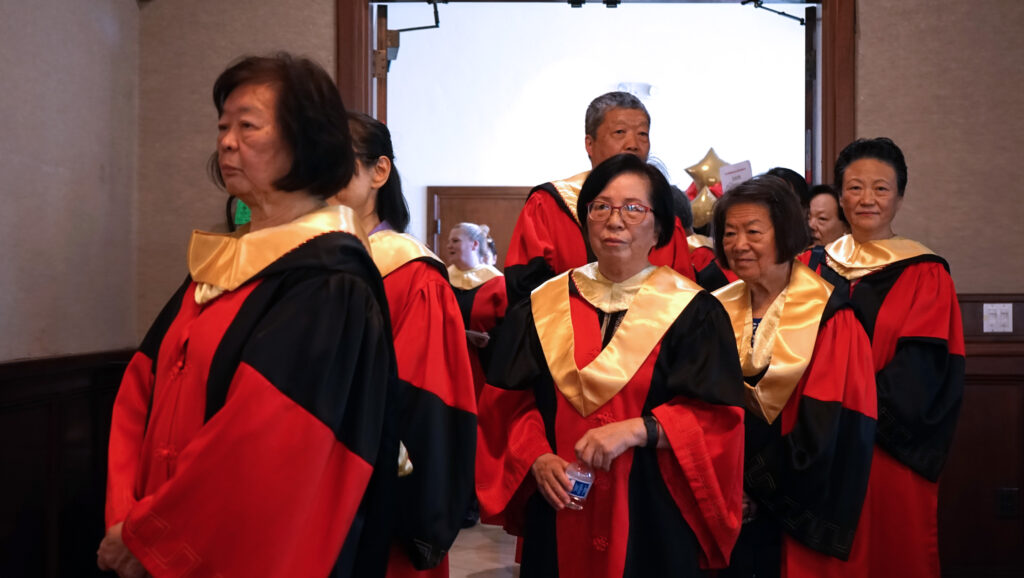
On Sunday, September 15th, Five Branches University proudly commemorated its 40th anniversary with a day of celebration, and gratitude at its San Jose campus. The milestone event brought together faculty, alumni, board members, and community members, with many attending in person and online, to honor the university’s impact on Traditional Chinese Medicine education.

The celebration began with Continuing Education (CEU) courses for licensed acupuncturists, offering professional development and training opportunities. The day culminated in a heartfelt ceremony featuring speeches by President Ron Zaidman, Dean Joanna Zhao, and several board members, highlighting the university’s achievements and its role in shaping TCM in California and the U.S. since its founding in 1984.

A Legacy of Innovation and Leadership

Throughout the ceremony, speakers reflected on Five Branches University’s pivotal role in advancing TCM in mainstream healthcare. President Ron Zaidman and Academic Dean Joanna Zhao emphasized how the university has been at the forefront of integrating TCM into healthcare systems, notably through its partnerships with hospitals and the creation of externship programs. These externships have allowed more people to access acupuncture treatments, broadening the reach and acceptance of TCM in clinical settings.

In addition to clinical advancements, Five Branches University has played a key role in shaping acupuncture legislation in California, further solidifying the practice’s place within the state’s healthcare landscape.

Honoring Long-Serving Faculty and Staff

As part of the celebration, the university presented certificates of appreciation to board members and faculty who have dedicated over 20 years of service to Five Branches. The recipients expressed gratitude for the recognition, reflecting the deep sense of community that has sustained the university’s growth over the past four decades.

Dean Zhao spoke of the university’s unwavering commitment to its mission: “For 40 years, Five Branches University has been dedicated to educating and inspiring the next generation of TCM practitioners. Our impact on the field of Traditional Chinese Medicine has been profound, and we’re excited for what the future holds.”

Looking Toward the Future

As Five Branches University embarks on the next phase of its journey, its leadership remains committed to expanding opportunities for students, alumni, and TCM as a whole. The university plans to continue fostering externship opportunities with hospitals and expanding its efforts to integrate TCM into mainstream healthcare settings, ensuring that more patients have access to acupuncture and related treatments.

The event concluded with a celebratory dinner, where attendees shared memories and discussed the university’s future aspirations. The occasion was both a reflection on the past and a hopeful look toward the future of TCM and Five Branches University.

A Message of Gratitude

The university extended its deepest gratitude to everyone who attended the anniversary celebration. “We are incredibly thankful for the support of our community over the last 40 years,” said Joanna Zhao. “As we move forward, we’re excited to continue our work in advancing TCM and preparing the next generation of practitioners to make a lasting impact in healthcare.”

With 40 years of excellence behind it, Five Branches University is poised to continue leading the way in TCM education, research, and practice, inspiring future generations of healthcare professionals.

Photo Gallery

Five Branches University Honored by California State Legislature

Five Branches University Honored by California State Legislature

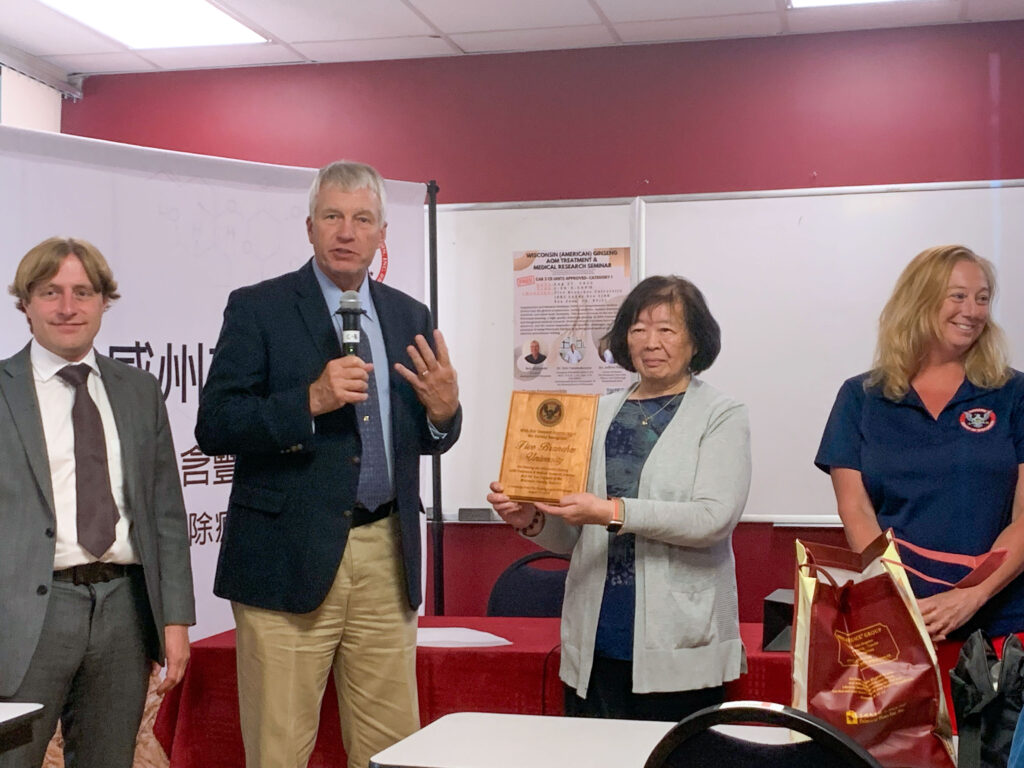
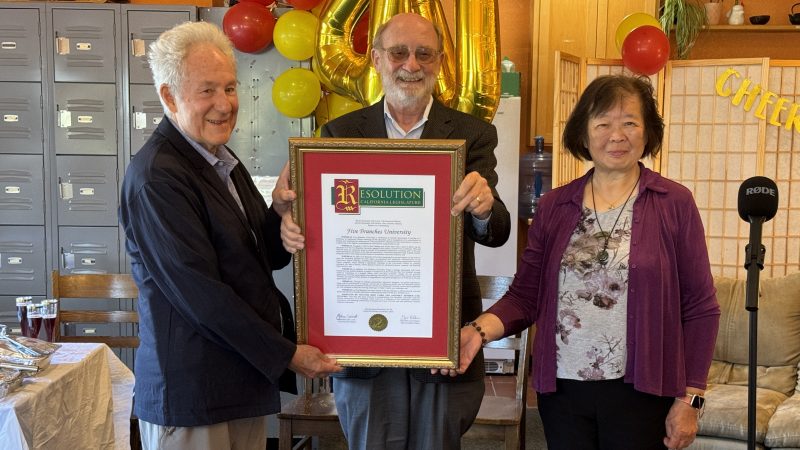
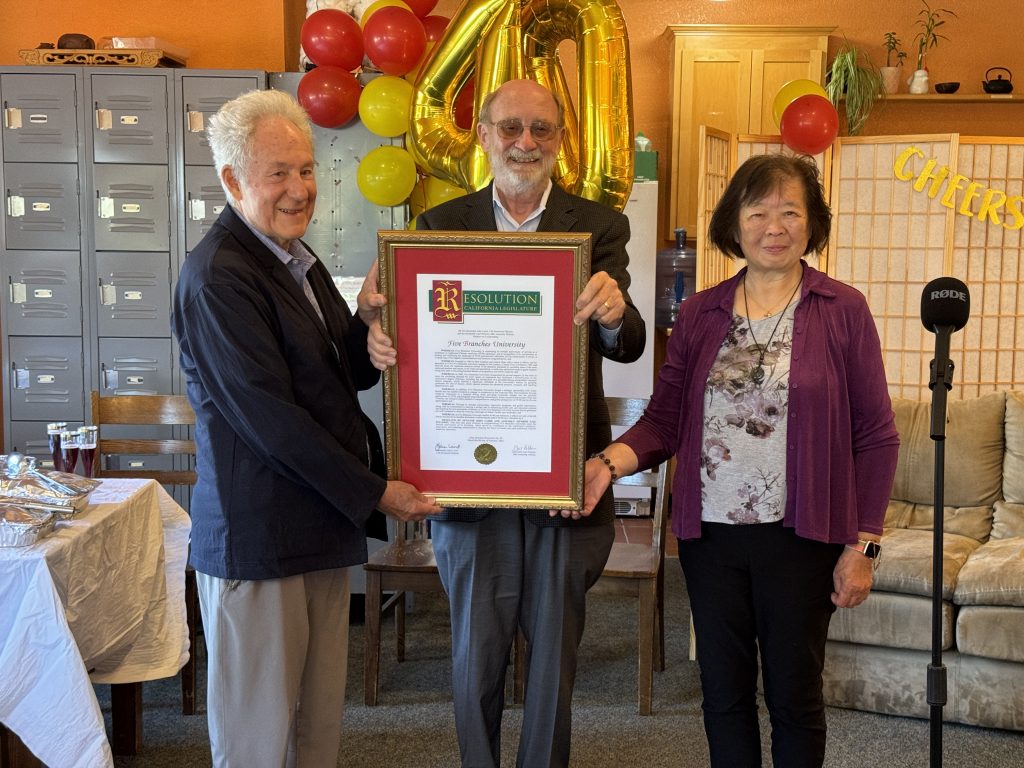
On July 23rd Five Branches University received a distinguished recognition award from the California State Legislature for its steadfast commitment to excellence in Traditional Chinese Medicine and its lasting positive impact on the Santa Cruz community.
John Laird Senator

The ceremony held at the university’s Santa Cruz campus, Senator Join Laird presented a Resolution to the university which he co-signed with Assembly Member Gail Pellerin.. The resolution acknowledges Five Branches University’s ongoing dedication to advancing Traditional Chinese Medicine and its significant contributions to the local community

Senator Laird, in his presentation, highlighted the University’s role in promoting health and wellness through traditional practices and unwavering support for the Santa Cruz community.  This accolade underscores the institution’s impact and the high esteem in which it is held by state legislators. 

To watch his speech, please visit our YouTube Page
Five Branches University Enriches Community Health at Cabrillo College Fall Health Festival

Traditional Chinese Medicine and Acupuncture Take Center Stage at Community Event

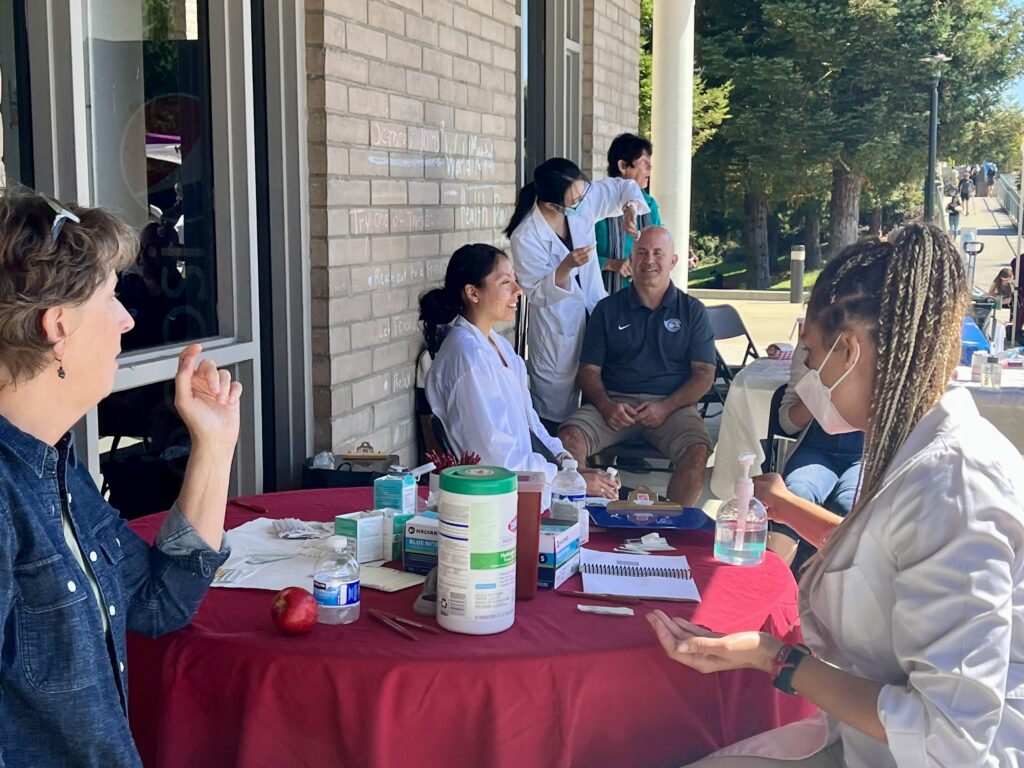
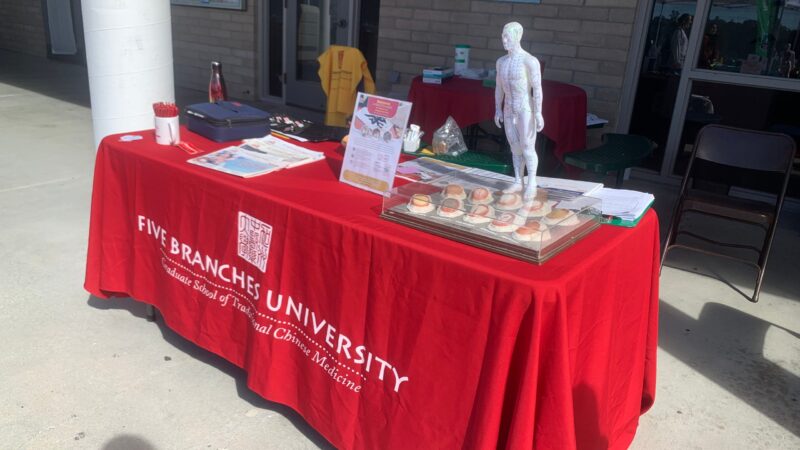
Santa Cruz, CA – November 02, 2023 – Five Branches University, a leading institution for Traditional Chinese Medicine (TCM) education, joined forces with the local Cabrillo College community to bring the healing power of TCM to the Fall Health Festival. Their booth was a bustling hub where students and visitors could experience the profound benefits of acupuncture and TCM.

Sydney Davis, a participant from Five Branches University, stated that the booth was “heavily trafficked” as they offered 15-20 minute community-style acupuncture treatments. This quick and accessible treatment targeted the participants’ chief complaints, providing them with a taste of the healing wonders of TCM.

One of the most striking revelations from the event was the number of students who had never experienced acupuncture. Many were unfamiliar with this ancient healing system. Kelly Zeng, a Five Branches student, highlighted the privilege of engaging with these students, dispelling myths, and sharing insights into the principles and practices that underlie TCM. Hence not only offering healing but also providing valuable education to the community about acupuncture and Chinese medicine.

The Cabrillo College Fall Health Festival was not just about health; it was an opportunity to explore the world of Traditional Chinese Medicine and Acupuncture. Dr. Mariposa Bernstein, the supervising faculty member, aptly summarized the experience as a “neat opportunity” for both Cabrillo College and Five Branches students as the event became a bridge connecting students to a world they may not have explored otherwise.

Congratulations 2023 Graduates!

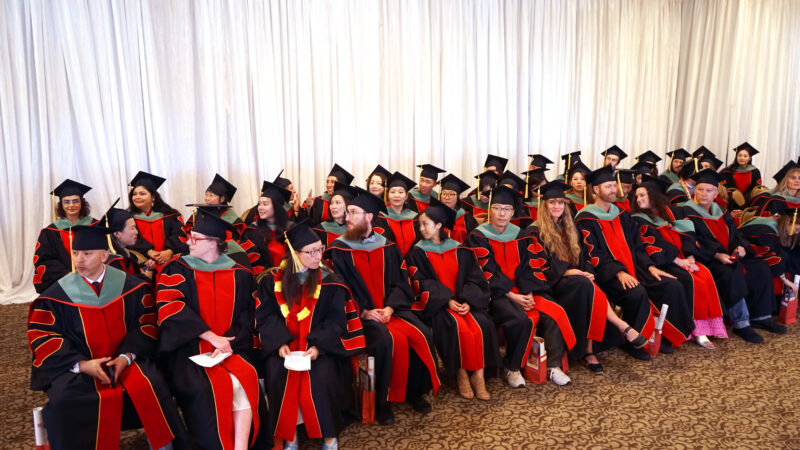
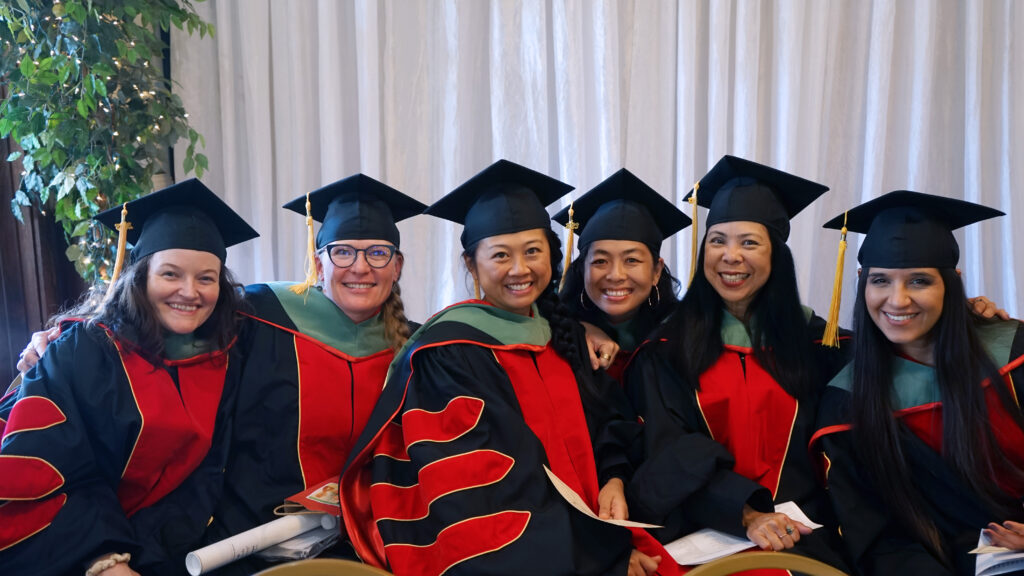
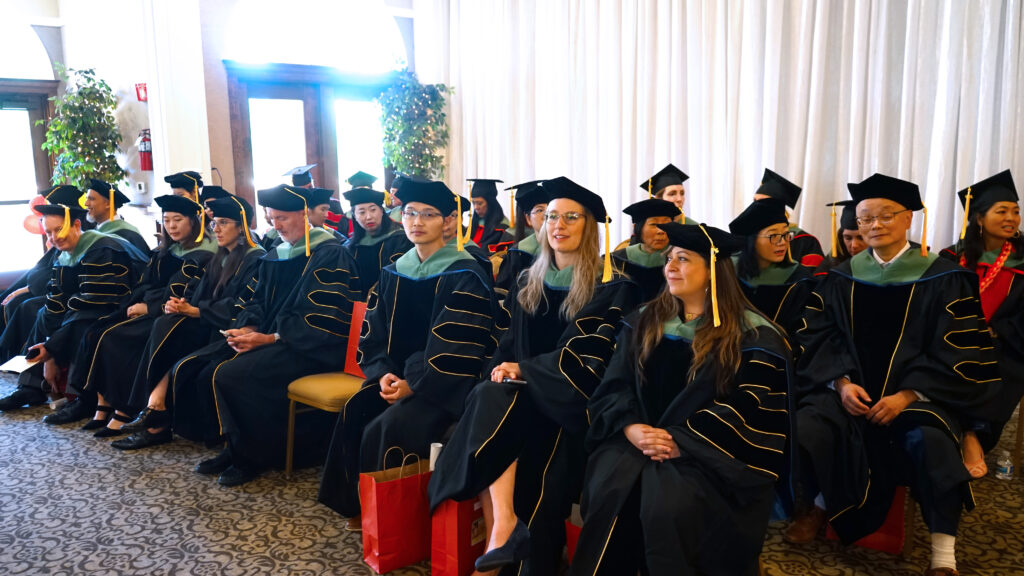
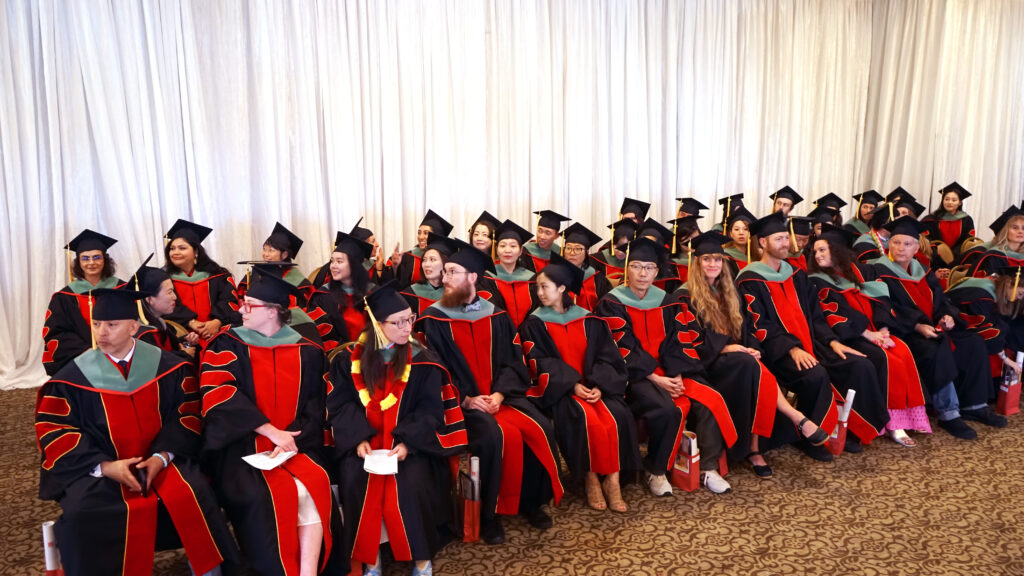
On August 20th, 2023, Five Branches University celebrated the graduation of its Master’s (MTCM), First Professional Doctorate Degree (D.Ac and DTCM), and Postgraduate Doctorate Degree (DAOM) students.  

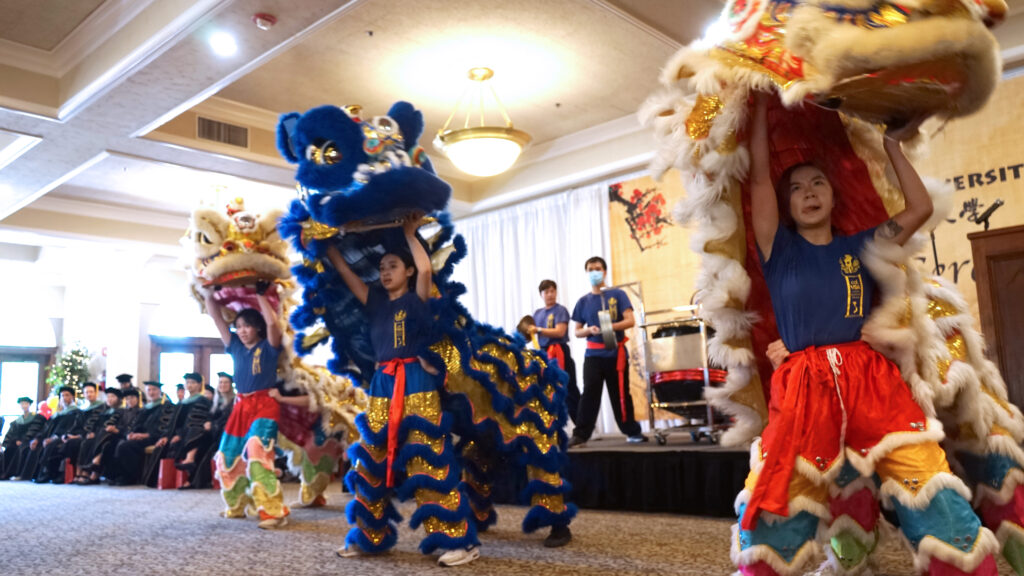
The event started with the energizing performance of the California VSA Lion Dance team. It was followed by the wise words of advice to graduate given by the keynote speaker, Dr. Amy Matecki, MD, FACP, L.Ac. Among many duties, Dr. Matecki is the medical director of the Center for Integrative Medicine Comprehensive Cancer Center at Sutter Bay Hospital, where Five Branches Doctorate students are able to enroll for its residency program. 

Dr. Matecki was followed by one of FBU faculty Dr. Robert Yao, DAOM, M.Med, L.Ac, who recently retired from working as an doctorate acupuncturist at Kaiser Medical Center in the last 25 years. Dr. Yao shared his pride in each and everyone of the students who persevered in their studies despite the pandemic.  Next were the heartfelt words of the class speakers who thanked their teachers, classmates and families for all the support they got while going through their TCM journey.  Tai Ji Sword performance by the students provided a lovely break. The event concluded with the degree confirmation and reciting of the practitioner’s oath. 

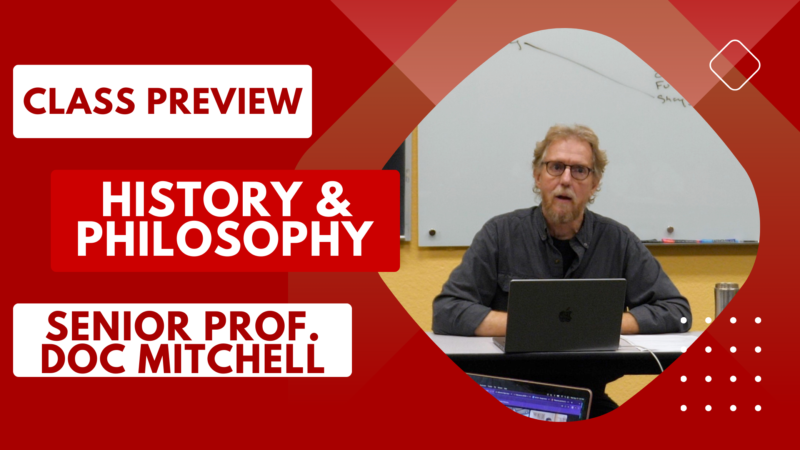
Class Preview: History & Philosophy with Senior Professor Doc Mitchell

This preview is a short excerpt of History & Philosophy, a course taught by Senior Professor Doc Mitchell at Five Branches University.

Professor Doc Mitchell unveils the wisdom of Traditional Chinese Medicine (TCM) in this captivating lecture segment. TCM emphasizes harmony with the universe through the Dao–skillful way-making in the context of nature. This concept guides us to navigate the changing nature of our reality, communities, and relationships, particularly within our families. In ancient Chinese philosophy, bodily discomfort serves as a warning of our misalignment with the laws of nature and community, and it is the doctor’s job to skillfully guide the ill back to the right path. This emphasis placed on alignment in nature is why ancient China celebrated farmers and those connected to the organic world, not fame and fortune. Professor Mitchell encourages students to engage skillfully with life under such terms, urging them to prioritize a balanced life filled with meaningful connections and skillful engagement with life’s existential realities.

Full transcript Below:

      • [Doc] People are making decisions based on their understanding of life, and sometimes those decisions are causing the problems that they come in to complain about. As Confucius will say 2,500 years ago now, many problems are caused by a misunderstanding of how life works. So what we’re looking at in this class is the development and evolution of Chinese thought, the how life works and how to have a productive relationship with it. This is literally the sea in which our medicine swims. Again, remember 2,000 years ago, our medicine was called Yang Sheng, which is nourishing life. It’s not about just fixing problems. This is not a cult. It’s just a way of, you know, a series of lenses that we look at things and then being able to understand phenomena in such a way as we can begin to engage skillfully and rectify the imbalances that may lead to digestive issues, cancer, whatever have you. Sprained ankles, low back pain, menstrual difficulties, emotional problems, all the above. So that’s what this medicine is about. So on that note, I always start classes with a reflection. What did you think about class last week? I don’t remember your name.

      • [Lauren] Me? Lauren.

      • [Doc] I’m looking at you. Yeah, sorry.

      • [Lauren] It opened my eyes to a lot of differences in like ways I might have to.

      • [Doc] My bad.

      • [Lauren] Thinking, you know like coming from a Western perspective. It also just made me really excited to learn more about history of this and the evolution. I was saying that last class made me excited to study the evolution of an indigenous culture. One that has evolved in harmony with nature and one that has a written record of it. You know, ’cause most indigenous western cultures, we don’t have written records of, you know, their musings and of the history. It makes it a little more inaccessible.

      • [Doc] Very good.

      • [Lauren] Just hearing everything you said last class made me excited.

      • [Doc] What she said was that she was excited to study, and I’m paraphrasing here, the evolution of thought in a literate culture. What we have with a lot of indigenous cultures is no written history, really, a lot of it oral tradition. And that with the Chinese, you literally have a literate conversation that is, you know, going on 3,000 plus years old, which is phenomenal. The same characters are still being used as were found on the bone oracles, you know, and what you’re going to be seeing as the Confucians become the dominant model in the bureaucracy, the literate model. You see them maintaining this library and this conversation around the same subjects. You know, sort of who are we and what are we doing? How does reality work? How does nature work? Keep in mind that the reality of indigenous cultures is that they lived in direct concert with nature. This is an agrarian culture. They are not sitting around in their cubes bereft of any kind of weather influences. They are having to deal with harvest. They’re having to deal with pestilence and barbarians invading. And so it’s real time. You know, I think modern society often is divorced, modern civilizations in general are often divorced from having to relate to this. We think we can kind of invent how the world works and tell it how it should and you’ll find it in Chinese thinking, they gave that up a long time ago ’cause it just doesn’t work. The language itself, as you mentioned last week, is very descriptive. It is not based in abstractions like verbs and nouns like we have. It’s very descriptive. So when you read some of the original source text in that main book in the readings that I’ve, you know, encouraged you in, you will see that. It’s very interesting stuff. You know, I find it anyhow, just speaking personally. So who else? Comments? Yes.

      • [Student] Just kind of building off that last lecture. There was a couple of kind of things that stuck with me. The first being medicine is a skillful and compassionate response to suffering, emphasis kind of on compassionate approach to that, which I think is lost in our kind of Western civilization. Like you were saying, Western doctors are almost bragging about how they can filter in so many people. Whereas it kind of goes back to covering up the symptoms rather than addressing the group problem. And that kind of ties into what Lauren was saying about being in touch with nature and what you’re trying to be told. So yes, you covered up the symptom, but what’s going to keep on coming back there?

      • [Doc] Well, that’s true. So his comment was about the, in the written material and the commentary last week, was in the medicine being the skillful and compassionate response to human suffering. We’re all human beings, you know, we’re all in this soup together. And one, if we can’t get along, we have, which has been the history of humans, you know, we kind of want to minimize that me versus you kind of thing. But compassion is really, it’s necessary and it’s important. And I will tell you that, you know, as a clinician being able to awaken that every day, you show up and it’s like, oh, here’s Mrs. Smith who whines incessantly. I mean, she’s here for digestive issues, but she complains incessantly about her husband the whole time. Well, you’re going to have to like, how does your heart open to that kind of complaint? And what might you offer to her, you know, suffering that’s, in many ways, self-created? You know, again, a lot of times people are victims of their own decisions. Orthopedically, well you know, you could say running is not good for the knees after a certain point if you’re not careful. You need to be really, really careful. So we’re going to look at the evolution of, you know, compassion as being a big part of medicine. Because actually that is not literally entering until the Buddhist era, which is quite a ways down the road. Okay, so more comments?

      • [Student] I was thinking a lot about the language and how you were saying last class, how descriptive it is. And in our other classes there’s, we’re reading a book, it’s the foundations book, And on the first page it’s concerned, well, not in the first page, there’s like a preface that’s going over how they chose the language for the book. And I found that to be very helpful and interesting in terms of the linguistic theory model. I’m wondering if this book, if you have any knowledge kind of outside the book of how they’re translating the words that they’re using like for instance, the word ritual or like I was reading that that could be all these different things. And when you’re speaking in Chinese language, it’s understood in that moment all the meanings at once. So then when you have a direct translation and you’re like, I noticed with the oracle bones, it was very stripped down in terms of this is a ritual, or this is a right or this is a cult. And it had me thinking, well, what else is it that is not on the page in terms of context?

      • [Doc] Well, so if I can paraphrase that, I’m speaking to the group here.

      • [Student] I have mic on.

      • [Doc] Oh, you do have your mic. Oh good. I was thinking this is a tough one.

      • [Student] I think we’re good.

      • [Doc]This is a tough one. No, thank you. I’d appreciate it if you would do that too. There is a dictionary of Chinese medicine. I highly recommend you get it. One of the leaders in the field of linguistics and translations is a guy by the name of Nigel Wiseman. Nigel Wiseman, I mean it’s a dictionary, I have it. It’s about this thick, it’s a big book, but it goes into the specifics of each thing. So when one of the, say right up on top of the pile of things to discuss right now is the Chinese word, xu. And please correct me if I’m, she speaks Chinese natively. I don’t, as I mentioned, I mangle tones, but so xu technically in Chinese means empty. But in Chinese thinking, there’s no such thing as emptiness. Emptiness cannot exist. So what it means is something was there and it’s not now, and it’s being missed. So there’s actually the better translation, according to Wiseman, is vacuity. There’s a vacuum, there’s something missing. And so this is actually a very important word ’cause you’re going to see spleen qi xu up there. Xu, spleen qi xu means there is a vacuity of the transformative process of signification, your body, the functional capacity of bringing something in is lacking to the point where it’s evidenced, it’s noticeable. The word shi, again these are, Chinese thinking is very binary as we talked about a little bit last week, but shi actually is often translated as excess. But when you look at the processual understanding of life that underpins the view, what I call the view, shi actually means replete, full to the point of overflowing. So it’s a dynamic, it’s not a static thing, it’s a dynamicism that is inherent in this view. And so it’s huge. You know, when you look at the impact of language, there’s a school of thought that I was studying in my way back undergraduate work called the Sapir-Whorf linguistic hypothesis about relativity so language actually provides a framework, an unconscious framework that sort of hmm, affects how we think about things, the questions you might ask. Now, there’s a lot of controversy around this, Wittgenstein and these other linguists don’t like really agree to it. But practically speaking, for example, I come home late at night and in English my wife says, “Well, who are you out with?” And I say, “Oh, I was out with a friend.” Pretty much end of conversation. Well, in the romantic languages like French, Spanish, Latin, I would have to add a gender to that. Imagine the complications. I was out late with una amiga. Well, the questions that follow were going to be considerably different. I can only imagine having been married for 40 years now. It opens another series of questions. So when I’m looking at the word xu, I say, “Well, it’s deficient.” Well, that’s kind of a static understanding of life. When you look at a processional understanding of acuity, it’s like, well, you know, there’s a series of things that are going to feed into that, including dietary choices, you know, cognitive processing, you know, making the right choices, quality of foods, you know, what is it that’s being transformed? If you’re eating, you know, garbage food, there’s not much in it. You’ll find many Chinese doctors saying donuts aren’t really bad for you. It’s just that you spend energy digesting ’em and there’s nothing in there for you. It’s just that simple. There’s really nothing nutritious there. Well, okay, sugar and butter. Okay, okay. So yeah that’s kind of, linguistics are really important. I will tell you that my interest in Chinese medicine came through the native indigenous cultures because to your point, it’s illiterate. There’s nothing written. I spent a year south of the border banging around in the ruins down there talking to the curanderos in the marketplaces. And you know, it’s very, very regional. There’s no overlying sort of paradigm that they all share. It’s very remedial, oh, these herbs are there, good for the stomach. It’s like, well, how? Oh, they’re very good for the stomach, you know? But there’s no underlying philosophy or theory behind it is what their grandmother told them. So oral traditions aren’t nearly as well developed. What we’re seeing with the Shang dynasty, and we’ll go into this in more detail, but people live in myth when you begin to write myth down, you can step back and talk about it and then discourse begins. And that’s what we’re going to be seeing with the literate culture and the development of Chinese thought. The evolution of Chinese thought that in many ways, I think culminates or reaches a rather dramatic apex in the, I would say about after the Tong dynasty, late Tong, early Song dynasty with the Neo-Confucian movement, where we’re going to see the amalgamation of Taoism, Buddhism and Confucianism, social modeling, understanding of personal reflection and understanding of how constructs affect perception and cognition and you know, introspection. And that had a huge impact on the development of our medicine. You know, that was like a thousand years ago. So, and then you see this chewed over and these people are, they’re not just coming up with new ideas, it’s not their progressives. What they’re doing is looking at the past and bringing the past forward and looking at it in a more modern context, because China’s expanding at this period, meeting new peoples, you know, the Silk Road is opening up and so they’re having to deal with all these weird guys in Europe and stuff like that, soon to be, okay? So yeah, you know watching this reflective capacity evolve over the years socially in the context of war, in the context of art, in the context of science, in the context of medicine, you know, it’s all part of this underlying view. What you’re learning in this medicine is actually part of how they think about everything. It’s not just a little bubble over there. So it’s how mothers are, you know, going to treat their children. There’s a movie, “The Last Emperor,” it’s about Pu Yi, who was the last Imperial emperor. It’s a Bertolucci film, it’s actually quite done. I don’t know, it’s pretty historically accurate. But there’s this one scene, Pu Yi was the last emperor and he basically was enthroned during the latter years before the nationalist party took over Sun Yat-sen and then actually China and was invaded by the Japanese. And it was a very sad story, he had a very tragic life. But there’s this one scene where he’s newly born and he’s in the wife’s chamber and the kid has a poop and it’s in this bowl. And immediately the bowl is handed over to these four older gentlemen and they all look at it and they smell it and they discuss it, and then they make advisements. Because in that world, you know, my job as a clinician would be to keep you healthy. So we can see how that individual’s health is, and digestion is like extremely important for children of that age but the advice on what foods to begin feeding him or what might be withdrawn was very important to the nourishing of his destiny as the emperor and the entire throne and the entire realm of China. So it’s a very, very interesting way of thinking about things. It’s very new to Westerners. We think we just kind of make up life and that’s how nature should work. But it doesn’t really work that way in Chinese thought. So, and language is huge. It’s very huge. And not to belabor the point, but there may be in the library, if you have access to the five branches library, there is a dictionary of Chinese medicine and it’s like, oh wow. So yeah, one character can mean 30 different things or maybe 20, and it really doesn’t mean anything until you put it up next to something else and that’s relational. Same way we see an individual. You just can’t look at a person in a vacuum with a reductionist model like modern science can or modern medicine can. You have to look at them and how they’re relating to their environment so emotions, you know, that a person has about the world around them, how they’re responding to it actually is going to impact different organ systems and their health. You know, over time it just adds up. Each emotion like anger has a particular affinity, I should say a relationship, with the liver. Fear has a particular relationship with the kidneys. Worry and or cognitive rumination has a particular relationship with what we would call spleen, stomach. Grief has a particular relationship with lungs. So excessive emotions processing them tend to impact health in these organ systems. But you see each organ system is in relationship with all the other organ systems. So a lot of anger is definitely going to injure the stomach, or excuse me, injure the liver. But when the liver is overactive, you will learn that it often affects digestion. And when digestion is weakened, it will weaken blood because you’re not transforming and transporting your nutrients properly. And when that happens, your head may not work right, so you’re going to be making lousy decisions or your emotions are going to be unstable. So that ability of what sits in the heart, the xin, the emperor, you know, is not going to be able to see clearly.

      • [Student] That kind of makes me wonder about last class when you were talking about personal agency.

      • [Doc] Yes.

      • [Student] When you’re in that situation and you can’t think clearly and you’re undernourished, and maybe it’s because of your access to certain foods in your family or whatever it may be, socioeconomic status. Like how do you hold the standard of personal agency when someone’s like in that, like someone stuck in poverty?

      • [Doc] Well I think that’s a very good point. Did everybody catch that? Was your computer picking up that?

      • [Student] I think so.

      • [Doc] Everybody hear what she said? So I think that’s a very important question. I think what it will speak to, I mean, simply put, do the best you can with what you have. Now I will say that some of the healthiest people I have ever worked with were migrant farmers who lived on rice and beans and fresh vegetables, small amounts of, but they also did not have the expanded desires that a lot of westerners do in trying to fund ginormous other expenditures. This is what they had to work with and their expenditures were proportionate to what they had to work with. So they did not go into debt. That’s what happens a lot. There are also many of them coming from, I wouldn’t say more tribal, but more rural and more traditional conservative societies where self-discipline was, you know, more of a stoic approach to life. The development of personal character was far more valuable than railing against the injustices of society and that everybody doesn’t have the same thing. I mean, you can throw yourself at the great machine in Washington DC and try to change everything or you can take care of your own business well and skillfully. As a clinician, I will tell you that you’ll get a lot better results with your patients if you help a person understand how to work better with what they actually have. And so, yes, your patients, a lot of them will come from very dysfunctional families. Are you encouraging them in a personal meditative, excuse me, a personal meditative practice where they’re actually valuing stillness, you know, where they’re actually learning to grow flowers, places of beauty in their heart, despite everything. And history has shown us that that’s possible. You have to be disciplined and you have to, you know, work it and you have to avail yourself to some of the, what I would consider the classic texts. What we’re going to see with this Chinese history is a worldview that it is not just a peaceful society. And they did not always live in harmony with nature. You know, you go back to the Taoist Classic 300 AD and you will see admonitions, don’t get an abortion, don’t pee into the stream, you know, don’t cut down the trees to enhance your view. This is like 300 AD they’re writing this stuff down, they had the same problems then. They had barbarians, you know, raiding on a regular basis. How do you deal with that? Well, Confucius came down with the notion that, you know, in a chaotic world, the family is the root of everything. So skillful mentoring, education and nourishment were the role, the responsibility of the mother. I mean, you could say whoever’s going to be mother, but it is a role that needs to be fulfilled. Who is best equipped to do that if everybody is out in the field working? Well, it begs a question, and this is often kind of a, you know, raises the short hairs on, you know, young feminists who go, well, that’s just, you know, misogynistic. You have to, well. If nobody’s doing it, who is going to do it? Do you want to source it out to, you know, minimum wage workers at a daycare center? Eh, remember, those kids are going to be choosing your retirement home. You want them to like you, you want them to be strong, you want them to be smart. You want them to understand how the world works because they may be supporting you. This was retirement for, you know, these old Chinese people. So you wanted to have good mother role. It was just important. It’s functional. Most societies understood that, you know, we’re way off the rails on that personally with understanding what it takes to keep on keeping on these days, that’s my humble opinion. So, okay. Any more reflections? We’ve talked about language, we talked about, we have some, yes.

      • [Student] My personal reflection is the personal virtue is so important in the history of ancient Chinese culture.

      • [Doc] Very.

      • [Student] And the personal virtue in combination with their relationship with their community.

      • [Doc] Excellent.

      • [Student] What I found very interesting is they understand they are their own individual. They’re responsible for their own personal growth. At the same time, they do not eliminate their relationship with their people, their neighbors, because they understand their neighbor won’t be helping them on the farm if their ox is, you know, need help from their ox or whatnot. So I think that is a very different society relationship that we see today. And when you’re talking about mother, I was just thinking about the word tiger mom, right? It has to come from somewhere.

      • [Doc] It does, that’s where it comes from. So her point is very well taken. We’re going to see a couple, as we move farther up into Confucian thinking into the Han dynasty thinking. There are some words that are just, they’re going to keep coming with us. So de is called virtue. Virtue is often considered integrity. But literally there’s a saying in the Suwen, which is one of our classics of medicine, but says, heaven in me is virtue. So that when you are in alignment with the principles of heaven, you have virtue and you collect virtue through personal cultivation, with not only your own personal resources, but your community in how you engage skillfully with compassion and with a sense of uprightness, the people around you. Honesty and integrity are really, well it’s what the sages will call authenticity. Authenticity is an irreducible relationship with life. No artifice, just the basics. You know, what’s really needed, what’s at the root of all things and getting along with others is really, really, really important. So we’re going to be looking at, that’s the Confucian social model. And it’s morality, but morality for the Chinese is being in alignment with heaven. Heaven is yong. Yong and heaven is sort of like the unalterable movement of the planets and the stars. It’s huge. It’s big. It’s out there, it’s just the way it is. And the words are going to be tian. Tian means, it means heaven, but heaven is not like a Judaeo Christian Heaven. Heaven is like, it means nature. Not only the parts, but all the processes inside. It’s everything. It’s also in Taoist terminology, often called Tao. And I talked about Tao as it’s often referred to as path, but you know, the character is a head with a foot looking on a path. So it actually has to do more with way making if you look at it linguistically. Skillful way making within the context of nature. Nature is just this ongoing flux. You have to skillfully deal with it. That’s your challenge in life. And that requires not only you pay attention to the realities of your biology, if we will, but the realities of community relationships, including most importantly, family. So yeah, that’s where this class starts, is looking at how the whole evolution of thought encompasses all that. And so imbalances that we treat as medical issues are often at some level part of that earlier story, you know, literally when we get to Han Dynasty, we’re going to find that doctors didn’t really have much of a reputation because the discomfort you’re feeling is either due to your violating the laws of nature, so to speak, or violating the social constructs and relationships with others. And your discomfort is the motivation to get you back on path. And if I, as a really good doctor can take that away, that’s not necessarily the good thing. You don’t want to encourage that kind of behavior because not only does it make you sick, but as you get sick, you start dragging down your clan. If you’re a mentally aberrant individual and you cause the family troubles, there was no police in old China, the clan would take care of you because we’re talking substinence farming. There wasn’t a whole lot of space for people that did wonky things. Artisans, theater people were kind of at the lower end of the social order because they really didn’t contribute anything. There’s going to be a whole movement in Han Dynasty to disallow merchants from holding any kind of public office. There’s going to be a movement to make everybody a farmer because they’re the only true productive people on the planet. So I mean, then compare, I encourage you to compare that to our modern values around athletes and rock stars, you know, and people who pontificate without really any relationship to organic reality. All you got to do is go on social media. No shortage of those people out there. So but that’s, as a role of the doctor, we’re looking at a very different world. We’re looking at a world that’s really based in survival. And so that’s where Chinese medicine takes off. You know, dealing skillfully with what you have to work with and helping people find their way back. Herbs are very, very important. This what you see on the board right here is a breakdown of a case. Not to go long into it, but I brought it up. A 42 year old woman who right after the holidays, went for a walk in the rains, sprained her ankle and got a cold and looking at all the presenting signs and symptoms. She’s stressed, she has a couple of teenage kids. She likes salads, she drinks a couple glasses of wine at night. She’s not sleeping well and yada, yada, yada. A whole bunch of other details. But they lead us to an evaluation of what are the underlying patterns, what are the roots of her issues? And so the spleen qi xu is leading to blood vacuities. She’s not eating well, she’s undernourished, she’s weak. The cold wind gets inside, caused an upper respiratory condition. Wind cold from the outside is going deeper into another layer. And so you break it apart like this. And what that’s going to do is lead you to, this is a description, this is a description of the phenomena going on with her. This is the treatment principle. This is how we engage skillfully. A vacuity means you boost and supplement it and her blood is weak, so you need to nourish the blood. And then when things get to this level, there’s a whole principle of treatment called harmonization that we’re going to be using. So to allow to help the body with this particular formula. Adding to the energy, helping the body be able to push it back out again. Releasing that and then dealing with the hot phlegm, the yellow sticky phlegm that keeps her coughing all the time. The sprained ankle, you can see this is a channel blockage. The damage in the flow of qi results in the invasion of external influences, specifically cold. So there’s a contractual quality, so there’s not good circulation there. And this is a persistent injury with her. So we’re going to be using the same kind of logic, this is way above your pay grade right now, by the way. So don’t worry about it but it’s going to lay the groundwork for this kind of inquiry. Again, what I hope you get out of this class is this interest and this enthusiasm to engage life and continue to watch it unfolding and learn how to deal with it skillfully, both personally, but professionally as a doctor, compassionately and maintain your strength. You know, pick up that Taoist model of a frugal husbanding of your available resources. Frugal means you don’t spend any more than you have. Don’t go into debt too much. Keep it in mind. And husbanding is like, it’s a farmer’s term. You husband the chicken flock because you want the flock to grow, but you’re still eating them. You’re consuming them. Yes.

      • [Student] You talked about how you kind of, or we will kind of work in the role of survival. How do you see a difference between surviving and health?

      • [Doc] Well, I think it’s some very basic, so how do I see the difference between surviving and health? I think surviving is basically making sure you cover the basics, okay? I would consider health more as maintaining the integrity of all those processes and then flourishing. I would add that in there too. You know, how do you build happy, wholesome family that has time for some vacations and interrelationships? How do you develop the arts and theater and music on top of that? But at the basis of it all, I mean, if you are not skillfully engaging the existential realities of life, which are not the shoes you’re wearing, the brand of the shoes you’re wearing or the color of your shirt, they actually have to do with eating, sleeping, moving, digesting, you know, those kinds of things. If you’re not skillfully dealing with those, you will not ever get farther. Problems happen when people put their dreams and desires above those realities and neglect the basics. That’s how I would say it. Does that make sense?

      • [Student] Definitely.

      • [Doc] Yeah. So at the root of medicine, we’re talking medicine here. You know, if you come from theater, you may disagree with me. If you come from, you know, other particular disciplines, you know, in the West we’re way out on the branches, not near the roots. Again, this school is called Five Branches, and it reflects the five levels of engagement. You know, the first one is going to be basically Qigong, which is breath work, learning how to look at life and learning how to have that yin yang pulsation that moves through all your vessels, all your organ system, you know, there’s digestive, there’s food, what you’re choosing to look at and bring in. Remember you bring in nourishment here, but you bring in nourishment here and you bring in nourishment here too. So pay attention to the significant. Watch out for donuts, which look a lot like, you know, some TV shows or some music that we like to entertain and distract ourselves with. You know, acupuncture is you as a patient invite somebody in to touch you and you stimulate different points and the body goes, you know, and starts doing things a little bit differently. Herbs are weird foods, you know, some of these things double as foods. You look at some of the things that you’ll see in Chinese cooking, like the red dates, hong zao, they’re really good in chicken soup. You know, huang chi is really good in chicken soup too. So you see these different additives and they mix and blend and sometimes it’s really hard to tell the difference between a good culinary food and a medical thing. So food as therapy is a huge part of classical Chinese thinking. And then you have tui na or bone medicine where you go deeper with either massage or trauma medicine. So, but that’s, you know, you see this great overlapping with the traditional culture.